Featured
Table of Contents
Not only can you expand your brand awareness projects, but you can increase the trustworthiness of your brand name too. Here are a few of the other advantages of structure and maintaining strong media relations: A strong media relations technique can benefit both press reporters and organisations who want to publicise their interactions to the world.
Third-party validation for any stories you produce increases your reliability and therefore builds trust with the general public. A strong media relations campaign will get your business published on a range of channels. If your company appears on channels such radio or a popular site, for instance, you can reach countless individuals.
The combination of awareness and reliability will develop earned media opportunities that will drive lead generation. To create, build and preserve beneficial relationships with the media, a media relations supervisor should deliver a reliable technique.
Here are some of the most reliable methods to construct your media relations strategy: Pitching to the right media contact is a crucial part of acquiring press protection. You'll require to understand which news outlets would be finest matched to the sort of story you're producing. For instance, if you have a physical fitness product, you should target a health editor, instead of a politics editor.
The Impact of AEO in Digital Search
Spending as much time as possible looking into the right press reporter for your story will make your pitches more effective. A big part of reliable media relations is understanding the sort of material a reporter produces and publishes. A media list is likewise understood as a press list. It's successfully a contact list containing information about journalists who would have an interest in covering your newspaper article.
These reporters would normally discuss your location of expertise, niche or service industry. Research contact information, beats, titles and any stories that a specific reporter might have published formerly. This data will help to make certain you're getting the right media support for your target market. You'll take advantage of each pitch, and garner the best interest, every time.
It is very important to discover relevant stories and events that are going to resonate with the reporters you're pitching to. Anything you have to say that's fresh, various, interesting and of advantage to your brand name will assist you acquire traction. If you're composing a news release, remember to cover the five basic questions a news release should cover.
To build and keep media relations, you ought to believe in terms of media importance, not simply company importance. It wouldn't necessarily be interesting for the media.
Press releases and relevant interactions are sent to reporters at a shocking rate by those vying for attention. Each reporter you compose to ought to be offered a special pitch that's customized to them.
The Impact of AEO in Digital Search
With reporters getting more pitches than they can perhaps read, it is very important to capture their attention from the start. As soon as a journalist decides to publish your story, ensure you thank them. Taking the time to develop up a solid relationship with reporters will settle extremely well in the long run.
Contact us to discover how we can develop an effective media strategy for your company.
If your company battles with getting media coverage and exposure, we are here to help. You can turn around your situation by mastering media relations. This post shares professional media relations tips to assist you master media relations and increase your company's coverage. A press or news page, frequently called a "Press Space" or "Library," is a dedicated area on your organization's website.
How AI Is Reshaping Digital Search
This page supplies journalists, blog writers, and other media specialists easy access to your business's essential info. Developing this page and positioning it in an easy-to-spot put on your site lets media experts quickly see your news release and other newsworthy material. That said, here are some essential ideas to think about before your press/news page goes live: Constantly upload press releases in Word format (and never as PDFs) to make them simple for reporters to copy.
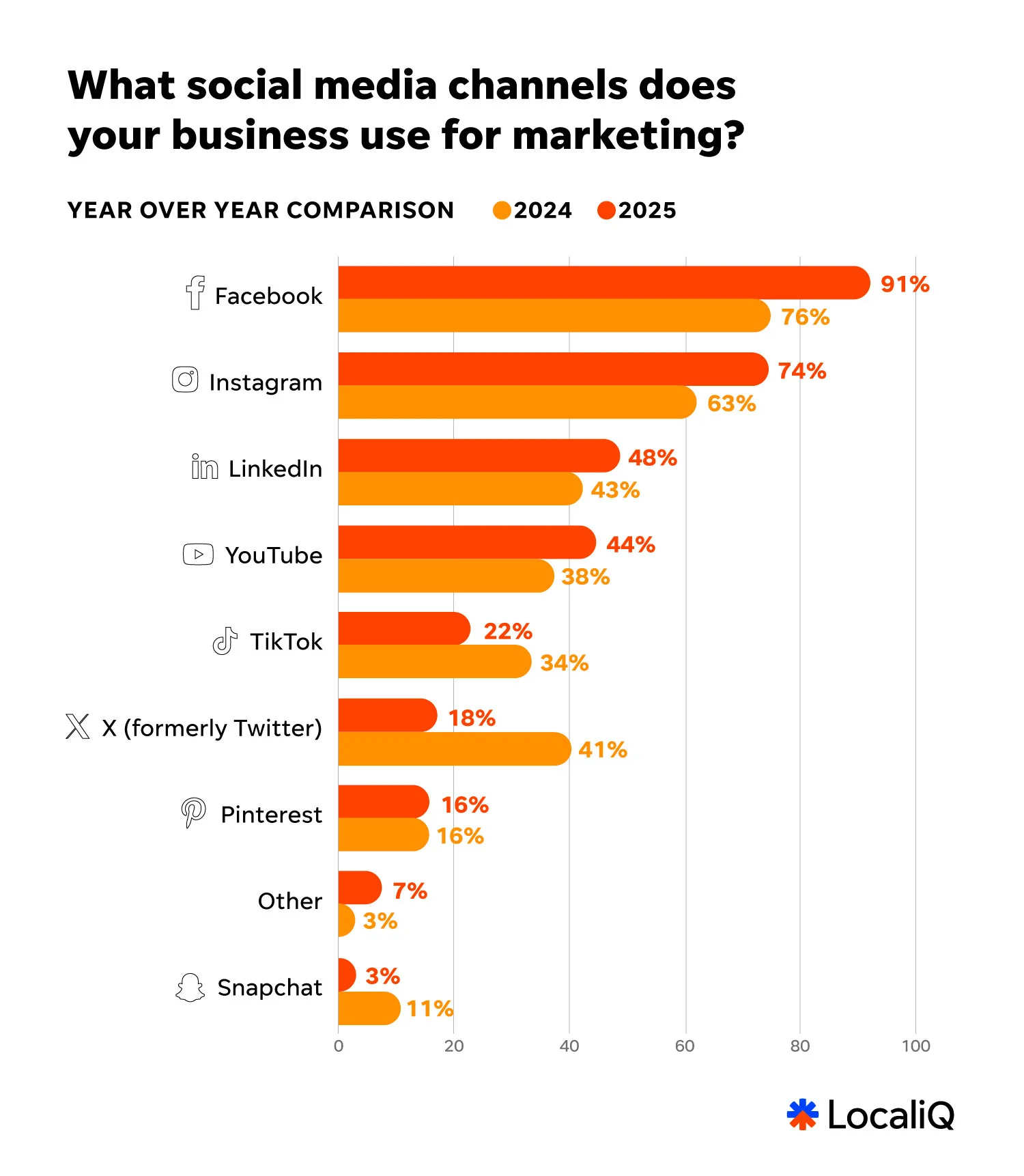
Doing so makes it simpler for the media to cover your stories accurately. Make it easy for journalists to demand extra story resources. Consist of downloadable logo designs, videos, headshots, and other important images. Poor-resolution visual aspects can sway reporters not to cover your organization. The possibility that your audience is on social networks is extremely high.
This considerable portion highlights the large reach of social networks platforms and highlights the importance of having a social media existence. Social network lets you share news and updates to a much larger audience, increasing the chances of reporters seeing them. Likewise, the viral capacity of a well-crafted press release or media declaration on social networks is quite high, which, once again, increases the possibilities of coverage by the media.
If your brand name gets any media protection, share it on social networks and other owned media to attract the attention of other media characters. Envision your company is launching a brand-new eco-friendly item to decrease household plastic waste. You wish to get media protection to build awareness and drive sales.
The release gets lost in the flood of other submissions, and no particular reporter is advocating for your story. The publication might not prioritize your news and might never ever get published. On the other hand, your competitor recognizes a specific reporter who writes extensively about sustainability and eco-friendly developments for the very same publication.
Preparing Your Digital Strategy for 2026
They point out how their product addresses a gap she has noted in her protection and use a special interview with their CEO. Outcome? The reporter is fascinated by the targeted pitch and chooses to cover your competitor's product since it matters and resonates with her audience. This is exactly how pitching to journalists instead of publications works.
Getting ready for your pitch is pivotal to making sure a favorable reaction and optimizing your opportunities of media protection. Recognize and look into a specific reporter to understand their beat and audience. This will help you tailor your pitch to the journalist's interests, making it more pertinent and compelling. Craft a concise and clear message, highlighting the newsworthy elements of your story and why it matters to their audience.
Practice your pitch to guarantee you can deliver it with confidence and plainly, whether it's through email, phone, or in-person conferences. Consist of a contact that journalism can reach if they have concerns. This contact should not be a bot but somebody on your PR or marketing team who can address questions quickly and factually.
Also, they may experience malfunctions and not escalate reporters' queries on time, which is detrimental during a crisis. On the other hand, real people have the personal touch bots lack. They can easily develop personal relationships with journalists and deal with sensitive information expertly, increasing your brand name's trust and credibility.

Latest Posts
Protecting Digital Reputation in the Era of AI
Navigating the Evolution of Search for Brands
How to Refine Your Brand Strategy for 2026